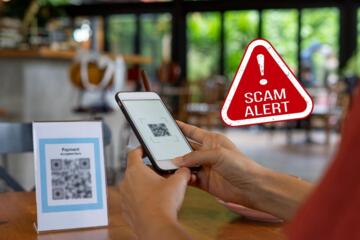
The Scam Usually Starts Soft
Romance scams do not begin with requests for money. That would be too obvious. They begin with consistency.
A stranger messages every morning at 7 a.m. They remember details from previous conversations. They ask about your family, your work stress, your sleep schedule. Then they slowly become part of your routine. The FBI reported more than $1.1 billion in romance scam losses in 2023, and the median victim lost over $2,000. Many lost far more.
The emotional hook comes first.
Scammers learned long ago that urgency works better after attachment forms. A fake military contractor in Syria. A widowed architect stuck on an oil platform. A cryptocurrency trader traveling between Singapore and Dubai. The stories shift every year, but the rhythm stays familiar.
Most victims are not reckless people. Many are divorced, widowed, recently relocated, or simply lonely after a difficult stretch of life. That vulnerability is human, not foolish.
Why Smart People Miss It
A lot of people think they would spot a romance scam instantly. Then they picture a badly written email from 2008 with broken grammar and a fake prince asking for wire transfers. Modern scams barely resemble that.
Some scammers now work from organized compounds in Southeast Asia and West Africa. They follow scripts, use stolen photos, and spend weeks building trust before introducing money into the conversation. AI-generated profile pictures made the problem even harder to spot after 2023.
The pace matters here.
Victims often rationalize the small inconsistencies. The person cannot video chat because the camera broke. They avoid phone calls because of military restrictions. They always seem to travel during holidays. One excuse sounds manageable. Twenty excuses stacked together should sound different, but by then emotions are involved.
People also ignore warning signs because admitting the truth feels humiliating. That delay can cost thousands. Sometimes retirement savings.
Spot The Early Signals
They escalate intimacy fast
A scammer often pushes emotional closeness within days. They call you “my love” after 4 conversations. They talk about destiny before learning your middle name.
Healthy relationships usually build unevenly and over time. Romance scammers move like salespeople with monthly quotas. The emotional acceleration creates attachment before skepticism catches up.
Slow the pace deliberately. Real people can tolerate patience.
They avoid live interaction
Video calls expose scams quickly, so scammers delay them. They claim weak internet, military security rules, damaged cameras, or impossible schedules across time zones.
Some now use short AI-generated clips or prerecorded videos to fake authenticity. Watch for unnatural blinking, audio delays, or conversations that never fully match your questions.
Trust live interaction more than polished photos.
Money problems appear suddenly
The request rarely arrives immediately. First comes the relationship. Then the emergency.
A wallet gets stolen in Istanbul. Customs officials freeze an account. A child needs surgery. A business shipment sits trapped at a port until “fees” get paid. The details vary, but the timing stays predictable: emotional closeness first, financial crisis second.
Never send gift cards.
Gift cards, cryptocurrency, wire transfers, and payment apps like Cash App or Zelle appear constantly in FBI complaint data because those transactions are difficult to reverse.
Their online footprint feels thin
A real person usually leaves digital fingerprints over years. Tagged photos. Old comments. Friends who interact naturally. Random vacation pictures from 2018 that nobody bothered curating.
Scam profiles often look too clean. The account may have 3 photos uploaded within 2 months. Comments feel generic. Followers look fake or disconnected.
Reverse image search tools like Google Images or TinEye can uncover stolen profile photos in under 60 seconds.
They steer you off the platform
Dating apps monitor suspicious behavior, so scammers try moving conversations quickly to WhatsApp, Telegram, Signal, or private email.
That shift removes oversight and makes reporting harder. Match Group, which owns Tinder and Hinge, repeatedly warns users not to leave the platform too early for exactly this reason.
Stay inside the app longer.
Crypto investing enters the chat
This pattern exploded after 2021. The scammer slowly introduces “investment advice” after emotional trust forms. Then they guide the victim toward fake trading platforms that appear legitimate at first glance.
The industry calls these “pig butchering” scams because victims get emotionally cultivated over time before large financial losses happen. Some people lose $50,000. Others lose entire retirement accounts.
The dashboards look convincing. The profits are fake.
The stories stay strangely convenient
Many romance scammers present lives that explain every inconsistency perfectly. They are wealthy but temporarily stranded. Attractive but emotionally wounded. Constantly traveling yet endlessly available to text.
Real life tends to be messier than that. Real people forget things, contradict themselves occasionally, and have friends who exist offline too.
Listen for rehearsed patterns.
How Victims Got Pulled In
In 2024, a 61-year-old teacher from Arizona told local reporters she lost nearly $80,000 after meeting a man claiming to work on offshore energy projects. They spoke daily for 5 months. He sent flowers, remembered birthdays, and discussed future travel plans before introducing a cryptocurrency investment platform.
The account initially showed profits climbing from $4,000 to nearly $11,000. She invested more. Then more again. When she tried withdrawing funds, the platform demanded “tax clearance fees” first.
The money was already gone.
Another case involved a widower in the United Kingdom who met someone through Facebook Dating. The woman claimed to be a military nurse stationed overseas. Over 8 months, she requested money for internet access, customs paperwork, and emergency travel expenses. The victim eventually borrowed against his home before relatives intervened.
These stories sound unbelievable from the outside. Inside the relationship, they unfold slowly enough to feel emotionally logical.
Questions Worth Asking
| Signal | Risk | Action | Time |
|---|---|---|---|
| NoVideo | High | Request call | 48hrs |
| FastLove | Medium | Slow pace | 1week |
| CryptoTalk | High | Stop transfer | Now |
| GiftCards | High | Block account | Now |
Common Mistakes People Make
The first mistake is hiding the relationship from friends or family. Isolation helps scammers because outside opinions break the emotional spell faster than almost anything else.
Another mistake is treating small financial requests as harmless. Victims often send $50 once because it feels compassionate, not reckless. The scammer studies that response carefully. A person willing to send $50 may eventually send $5,000 under enough emotional pressure.
Do not protect the scammer.
Some victims keep defending the relationship after banks, relatives, or police raise concerns. That reaction is emotional investment talking. Shame keeps people trapped longer than logic does.
People also wait too long to report fraud. Contacting banks quickly improves the odds of freezing transfers or flagging linked accounts. Delays shrink those chances dramatically.
And then there is denial...
FAQ
How can you tell if someone online is a romance scammer?
Watch for fast emotional attachment, refusal to video chat, sudden money emergencies, and requests involving gift cards, cryptocurrency, or wire transfers. Multiple warning signs together matter more than one strange detail alone.
What should I do if a scammer has my photos or personal details?
Stop communication immediately, tighten social media privacy settings, change passwords, and report the account to the platform involved. If financial details were shared, contact your bank and monitor credit reports closely.
Are romance scams common on dating apps?
Yes. Tinder, Bumble, Hinge, Facebook Dating, and Instagram all deal with fake accounts regularly. Most large platforms remove suspicious profiles constantly, but scammers create new ones just as fast.
Can banks recover money lost in a romance scam?
Sometimes, but recovery is difficult once money moves through crypto wallets, wire transfers, or gift cards. Fast reporting improves the odds slightly, though many victims never recover the full amount.
Why do victims stay involved after warning signs appear?
Emotional attachment changes decision-making. By the time money enters the picture, the victim often believes they are protecting a real relationship rather than evaluating a stranger objectively.
Author's Insight
I have noticed that romance scams rarely depend on technology alone. The manipulation works because it targets routine human needs — attention, reassurance, companionship, hope after loneliness. The fake profile matters less than the emotional timing.
If somebody online pushes intimacy unusually fast, I would slow the conversation immediately and verify details through live interaction. Real relationships survive caution. Scams usually do not.
Summary
Romance scams have become more patient, polished, and emotionally sophisticated over the last few years. The early warning signs still exist, though: rushed intimacy, excuses around video calls, sudden money problems, and pressure to move conversations into private channels.
Pause when the story starts feeling too perfect. Ask harder questions sooner. And if someone you have never met needs money urgently, trust the discomfort before you trust the explanation.