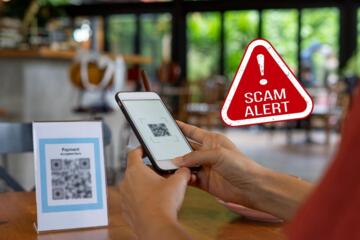
The central difference is simple: an Official Mobile App is published and maintained by the organization behind the service, while a Fake App is an imitation that may be used for scams, data theft, or malware delivery. In most cases, the safer choice is the official app, but the “best” option can depend on how you plan to use the app (e.g., login, payments, device permissions) and how confident you are that the listing you found is legitimate. The evidence strongly favors caution unless you can verify authenticity.
Quick comparison (what you can verify)
| Check / Attribute | Official Mobile App | Fake App |
|---|---|---|
| Publisher identity | Matches the brand/organization’s official developer account | Often uses look-alike names, unverified developers, or inconsistent branding |
| App listing details | Consistent descriptions, support links, and privacy policy | May have vague descriptions, missing policies, or links that don’t work |
| Permissions requested | Typically aligned with the app’s stated features | May request excessive access (contacts, SMS, accessibility, device admin) without clear need |
| Update and version history | Regular updates and coherent release notes | Irregular updates, suspicious version patterns, or no meaningful release notes |
| Behavior after install | Expected login flows and feature behavior | May prompt for unusual credentials, redirect unexpectedly, or behave inconsistently |
Important limitation: Because the topic does not specify a particular brand, platform (iOS vs Android), or app category, the exact verification steps and “what’s normal” can vary. The guidance below focuses on checks that apply broadly across app stores and common scam patterns.
Object 1: Official Mobile App
An Official Mobile App is the version of a service’s software published by the organization that owns the service. In practice, official apps are more likely to have consistent branding, a verifiable developer identity, and a predictable permission footprint that matches the app’s features. They also tend to receive security updates through the normal release process.
If you want a deeper, brand-agnostic approach to evaluating apps before installing, see our checklist for verifying app authenticity.
Object 2: Fake App
A Fake App is an imitation that attempts to pass as the official app. Fake apps may be created to steal credentials, harvest personal data, run unwanted ads, or deliver malicious code. Even when a fake app “works” at first glance, it can still be risky because the developer identity, data handling, and security posture are not trustworthy.
For a broader security perspective on mobile threats and how to reduce risk, read this guide to common mobile scam and malware patterns.
Criterion-by-criterion: how to choose safely
1) Authenticity and publisher verification
Measurable/practical difference: Official apps can usually be traced to a verified developer/publisher identity and consistent listing details. Fake apps often rely on look-alike names, inconsistent branding, or unclear developer information.
Why it matters: If you cannot verify the publisher, you cannot reliably assess what the app does with your data or credentials.
Who benefits: Anyone logging in, using payments, or granting permissions benefits from strict publisher verification.
Limits: App stores can still host impersonators; verification is not perfect. Your confidence should be based on multiple signals, not one.
2) Privacy and data access (permissions)
Measurable/practical difference: Official apps typically request permissions that match their functions. Fake apps may request broad access (e.g., contacts, SMS, accessibility, device admin) without a clear reason.
Why it matters: Excess permissions increase the chance of data misuse or account compromise.
Who benefits: Users who value privacy, parents managing children’s devices, and anyone using the app on a primary phone should prioritize permission alignment.
Limits: Some legitimate apps request more access than you expect (e.g., for notifications or device integration). The key is whether the request is coherent with the app’s stated features.
3) Security of login and account actions
Measurable/practical difference: Official apps generally use expected authentication flows and do not ask for unusual steps. Fake apps may push for credentials in unexpected ways or attempt to intercept sensitive data.
Why it matters: Account takeover is often the end goal of fake apps.
Who benefits: Users with valuable accounts (banking, e-commerce, cloud services, subscriptions) should treat any uncertainty as a red flag.
Limits: Without analyzing the specific app’s behavior, you can’t prove intent. You can only reduce risk through verification and cautious behavior.
4) Functionality and reliability
Measurable/practical difference: Official apps are more likely to deliver stable features and consistent performance. Fake apps may break features, show inconsistent UI, or behave differently after updates.
Why it matters: Unreliable behavior can lead to user errors (e.g., entering credentials repeatedly) and can also signal deeper security issues.
Who benefits: Users who rely on the app for daily tasks (notifications, account management, service control) benefit from official stability.
Limits: Some official apps can be buggy too. Reliability alone is not proof of legitimacy.
5) Updates and maintenance
Measurable/practical difference: Official apps typically have a coherent update cadence and release notes. Fake apps may update sporadically, provide unclear notes, or change behavior without explanation.
Why it matters: Security patches and bug fixes reduce exposure over time.
Who benefits: Anyone who keeps apps installed long-term should prioritize an app with a credible update history.
Limits: Update frequency varies by service and region; a slow schedule doesn’t automatically mean fake.
6) Ownership trade-offs: cost, convenience, and risk
Measurable/practical difference: Official apps may be free or paid depending on the service, but the key difference is risk. Fake apps may appear “free” while monetizing through ads, data harvesting, or credential theft.
Why it matters: The “cheapest” download can be the most expensive if it leads to account recovery, fraud, or device compromise.
Who benefits: Risk-averse users (most people) should treat legitimacy as part of total cost of ownership.
Limits: You can’t always quantify scam likelihood. Use multiple verification signals to make a practical decision.
Hidden ownership trade-offs (beyond the download)
- Account recovery effort: If a fake app steals credentials, you may need to reset passwords, revoke sessions, and secure email accounts.
- Permission creep: Some fake apps request additional permissions after install or during a “feature unlock.”
- Data exposure: Even if no immediate fraud occurs, harvested data can be used later.
- Device impact: In worst cases, malicious behavior can persist until the app is removed and settings are reviewed.
When the usual recommendation can reverse
In most scenarios, the official app is the safer choice. However, there are edge cases where you might temporarily choose a different approach while you verify:
- App store listing uncertainty: If you find multiple near-identical listings, you may delay installation and instead verify via the service’s official website or support channels before choosing.
- Testing in a controlled environment: A security researcher or advanced user might install a suspicious app only in a sandboxed environment (e.g., a secondary device) to observe behavior—this is not a general recommendation.
- Legacy or discontinued apps: If the official app is temporarily unavailable, you may need to use an alternative access method (web login, official support guidance) until the official app is confirmed.
Questions to answer before you install
- Does the developer/publisher name match the brand’s official identity?
- Do the app’s description, support links, and privacy policy look consistent and reachable?
- Are the requested permissions aligned with the app’s stated features?
- Is the app’s update history coherent (and not obviously suspicious)?
- Did you reach the listing from an official website link, or from a random search result / social post?
- Does the login flow ask for anything unusual (extra credentials, unexpected redirects, or repeated prompts)?
Practical verification workflow (fast and cautious)
- Start from official sources: Prefer links from the service’s official website or verified social channels.
- Compare publisher identity: Check the developer account name and consistency across the listing and the brand’s official presence.
- Review permissions before granting: If the app requests unrelated access, treat it as a warning.
- Check listing credibility: Look for working support links, a sensible privacy policy, and consistent branding.
- Install only after multiple signals: If you can’t verify authenticity, don’t proceed—use the web version or wait for confirmation.
- After install, observe behavior: Confirm that the app behaves as expected and doesn’t prompt for unusual actions.
If you want a deeper, step-by-step approach to spotting impersonators, see how to verify app developer identity and listing integrity.
Conditional verdicts (choose based on your situation)
- Best for simplicity and safety: Choose the Official Mobile App when you can verify the publisher and permissions are coherent.
- Best for account-sensitive use (payments, subscriptions, cloud services): Prefer the Official Mobile App and avoid any listing you cannot authenticate.
- Best for low risk tolerance: Avoid Fake App listings entirely; delay installation until you confirm authenticity.
- Best for troubleshooting and continuity: If the official app is temporarily unavailable, use an alternative access method (web login or official support guidance) rather than guessing which third-party app is safe.
- Best for advanced users who can isolate risk: Only consider installing a suspicious app in a controlled environment for analysis—this is not recommended for everyday users.
Bottom line: The official app is the default choice because it’s verifiable and maintained by the service owner. The fake app may appear functional, but the verification burden is higher and the downside can be severe. When you can’t confirm authenticity, the safest “choice” is often to wait, verify, or use an official alternative.