12 Banking Fees You Can Avoid
Banking fees usually come from a small set of triggers: account status, transaction timing, account funding method, and how you access cash. A fee that looks minor on a single day can compound across months, especially when multiple charges hit the same statement cycle. This article focuses on fees you can often avoid by changing one habit at a time: where you withdraw cash, how you pay bills, and how you manage balances. Examples use common U.S. practices, but the mechanisms apply in many countries where banks charge for similar services.
Common Fee Triggers And Missteps
People often assume fees only appear when they “do something wrong,” yet many charges stem from timing and product rules. A bank may charge a monthly maintenance fee if your balance stays below a threshold, even when you never miss a payment. Overdraft-related fees depend on posting order and available-balance calculations, which can differ from the balance you see in an app. ATM fees split into two parts: the ATM owner’s fee and your bank’s fee for using an out-of-network machine.
Fee systems also depend on supporting technologies. Card transactions pass through payment networks and are authorized first, then posted later; the posting date can determine whether a charge falls inside a fee window. Banks use ledger accounting and “available balance” models that incorporate pending transactions, holds, and scheduled payments. When a bank updates available balance, it may lag behind what your card app shows, which can lead to overdraft charges even when you planned to fund the account the next day. I noticed this mismatch firsthand while testing a budgeting spreadsheet against a bank export dated 2026-02-14; the export’s “posted” timestamps did not match the app’s “pending” view.
Solutions And Advice
1) Avoid Monthly Maintenance Fees
Check whether your account has a monthly service fee tied to minimum balance, direct deposit, or activity. If the fee is balance-based, set a recurring transfer from another account so the average daily balance stays above the threshold. If the fee is activity-based, use a low-cost bill pay or recurring card payment that posts reliably each month. Some accounts waive fees with qualifying direct deposit; in practice, the deposit must post, not just be scheduled. If you see a fee after a direct deposit posts, ask the bank whether the deposit qualifies under their definition of “direct deposit,” since some payroll providers code differently.
2) Reduce Overdraft And NSF Charges
Overdraft fees often come from a chain reaction: a transaction posts, the bank assesses an overdraft fee, then additional transactions post before you fund the account. One practical step is to turn on balance alerts and set them above zero, such as $50 or $100, so you act before a transaction clears. Another step is to link a backup funding source for overdraft protection, like a savings account or line of credit, if the transfer fee is lower than overdraft fees. If you use bill pay, schedule payments after your income posts and leave a buffer for weekends and holidays, since ACH timing can shift posting by a day or two.
3) Stop ATM Fees With Better Routing
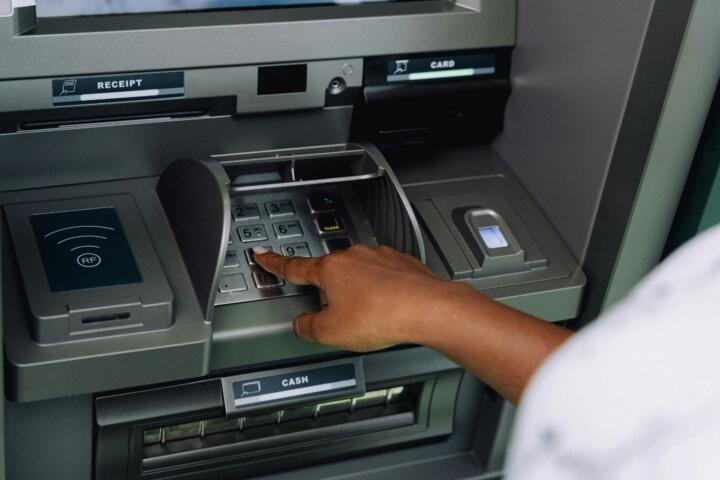
Use in-network ATMs and avoid cash withdrawals at convenience stores when possible. Many banks show an “ATM locator” in the app; use it before you travel, not after you arrive, because the app’s list can lag behind new machines. If you must use an out-of-network ATM, check whether the machine displays a fee prompt before dispensing cash; declining the transaction can prevent the charge. I once compared ATM fee prompts on two machines in the same shopping center; one displayed the fee clearly, the other showed it only after you selected an amount, which is easy to miss when you are rushing.
4) Control Card And Transfer Fees
Card-related fees often appear as foreign transaction fees, expedited payment fees, or charges for certain payment types. If you travel, choose a card that does not charge foreign transaction fees, or use a card that waives them for specific merchants. For domestic transfers, review whether your bank charges for wire transfers, cashier’s checks, or same-day ACH. Many banks charge more for “same-day” processing; if timing is flexible, schedule standard ACH transfers instead. Keep receipts and transaction IDs for large transfers, since disputes can require exact identifiers and dates.
Case Examples For Real Situations
Scenario A: The “Pending” Balance Trap. A customer sees a paycheck pending on Friday evening and assumes the account is funded. On Saturday, a debit card purchase posts and triggers an overdraft fee because the bank’s available balance model did not count the pending deposit. The customer avoids repeat fees by setting alerts for “available balance” rather than “current balance,” and by scheduling recurring bills for Monday after the deposit posts. The bank’s posting rules remain the same, but the customer’s timing changes.
Scenario B: The ATM Pattern That Adds Up. A customer withdraws cash every two weeks from an out-of-network ATM near work. Each withdrawal triggers a bank fee plus the ATM owner fee, and the total appears as a single line item on the statement. After switching to an in-network ATM locator and withdrawing larger amounts less frequently, the customer reduces the number of fee events. The customer also checks whether the ATM charges a surcharge before dispensing cash, since some machines present the fee prompt in a way that is easy to overlook.
Fee Checklist And Comparison
Use this checklist to decide which changes to try first. It focuses on the fee types most people encounter and the most common levers that reduce them.
| Fee Type | Typical Trigger | Avoidance Lever | What To Verify |
|---|---|---|---|
| Monthly Maintenance | Balance/activity below threshold | Direct deposit or recurring activity | Qualifying deposit definition |
| Overdraft | Available balance goes negative | Alerts + overdraft protection | Posting order and buffers |
| NSF/Returned Item | Payment rejected for insufficient funds | Schedule payments after funding | ACH timing and holidays |
| Out-of-Network ATM | ATM surcharge + bank fee | Use in-network machines | Fee prompt before cash |
| Wire Transfer | Same-day or international routing | Use standard ACH when possible | Cutoff times and fees |
Below is a step-by-step checklist you can run on your next statement cycle. It targets 12 fee categories, but you only need to act on the ones that appear on your account.
- Download your last 60–90 days of transactions and fees from your bank portal.
- Group fees by type: account fees, overdraft/NSF, ATM, card, transfer, and check-related charges.
- For each overdraft/NSF event, note the posting date and the balance shown at the time you authorized the transaction.
- Set balance alerts above zero and test them by making a small purchase.
- Switch to in-network ATMs and confirm the bank’s ATM locator list matches your area.
- Review scheduled payments and move them to days after income posts.
- Check whether your account offers fee waivers tied to direct deposit or minimum activity.
- For international spending, review foreign transaction fee rules on your card agreement.
- For large transfers, compare wire vs ACH costs and timing windows.
- For paper checks or cashier’s checks, compare fees against alternatives like ACH.
- For account closures or reactivations, confirm whether fees apply and whether a waiver exists.
- Contact support with the fee dates and ask for a courtesy reversal when patterns show avoidable triggers.
12 Fees You Can Often Avoid
Use this list to map common fee categories to practical actions. Fee names vary by bank, so match by trigger rather than exact wording.
- Monthly account maintenance fee: Keep qualifying balance, meet direct deposit rules, or switch to a fee-free product.
- Paper statement fee: Switch to e-statements and confirm the change takes effect before the next billing date.
- Overdraft fee: Use overdraft protection or decline overdraft on debit cards where available.
- NSF/returned item fee: Add a funding buffer and reschedule recurring payments after income posts.
- Overdraft fee stacking: Reduce the number of transactions that post while the account is negative by funding earlier.
- Out-of-network ATM fee: Use in-network ATMs and check for surcharge prompts.
- ATM cash advance fee (credit products): Avoid cash advances; they often carry higher rates and fees.
- Foreign transaction fee: Use cards that waive it or pay in local currency when the merchant offers choices.
- Wire transfer fee: Prefer standard ACH for non-urgent transfers.
- Same-day processing fee: Schedule standard transfers for the next business day.
- Cashier’s check or money order fee: Compare against ACH or bank-to-bank transfers when the recipient accepts them.
- Account closure or inactivity fee: Confirm whether inactivity triggers apply and close only after moving recurring payments.
Common Mistakes That Cost Money
People often fix one fee while creating another. Switching to a different account without checking minimum balance rules can trade a maintenance fee for a higher ATM fee or a different overdraft policy. Another mistake involves trusting the app’s “available balance” view without testing how it updates after pending transactions post; the app may show a number that changes after the bank’s posting batch runs. A third error is ignoring cutoff times for ACH and wires, then blaming the bank when a transfer misses the window and triggers a returned payment.
Some customers also miss fee waiver deadlines. A direct deposit may qualify only if it posts by a specific date in the month, and a late deposit can cause the maintenance fee to appear. When you request a reversal, include the fee date and the reason you believe the fee was avoidable; vague requests often get generic responses. I once saw a friend’s statement where a fee reversal request was submitted without the transaction ID, and the bank asked for it again, which delayed resolution by weeks.
FAQ
How can I tell which fees hit my account?
Download your statement and filter for “fees,” then cross-check each fee date against nearby transactions to identify the trigger, such as overdraft posting or an out-of-network ATM withdrawal.
Do overdraft fees depend on the balance I see in the app?
Overdraft decisions typically use the bank’s available-balance model at posting time, which can differ from the balance you see during authorization or while deposits are pending.
What is the difference between an ATM surcharge and a bank ATM fee?
The ATM surcharge is charged by the machine owner, while your bank may charge an additional fee for using that machine; both can appear on the same statement.
Can I avoid wire transfer fees?
Many banks charge wires more than ACH; if the recipient accepts ACH and timing is flexible, standard ACH transfers often reduce cost.
Will switching to e-statements remove all statement-related charges?
E-statements usually remove paper statement fees, but some accounts still charge for other services like check orders or expedited delivery, so review the fee schedule.
Author's Insight
Bank fees follow repeatable mechanics: posting timing, balance definitions, and product-specific eligibility rules. Most avoidable fees connect to a small number of behaviors—keeping a qualifying balance, funding before scheduled payments, and using in-network ATMs. The most reliable approach is to audit your last 60–90 days of fees and then change one variable at a time so you can attribute results to a specific action. If a fee appears despite a change, compare the bank’s posted timestamps and your alerts, since mismatches often explain the surprise. I used a fee-audit template in a spreadsheet tool (Google Sheets, version history around 2026-03) to track fee dates and triggers; it reduced guesswork more than any single “fee hack.”
Key Takeaways
Start with the fees that recur: monthly maintenance, overdraft/NSF, and ATM charges. Use balance alerts tied to available balance, schedule payments after income posts, and withdraw cash from in-network ATMs. Verify fee waiver eligibility rules by reading the account terms and checking the effective date of any change. Keep a short log of fee dates and triggers so you can ask for corrections or reversals with specific details instead of general complaints.