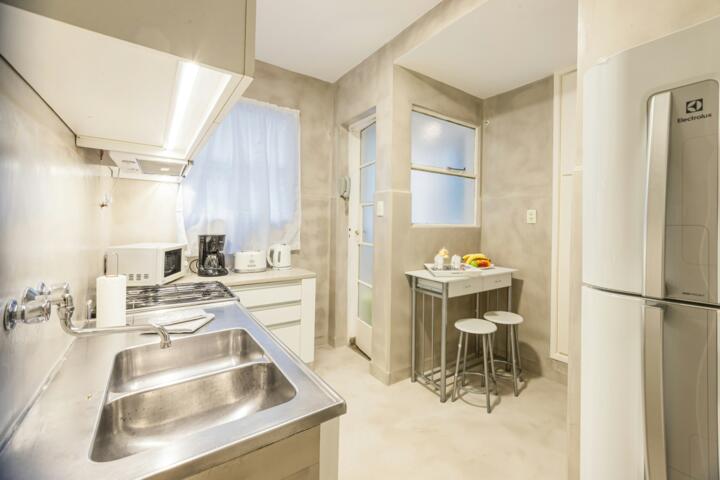
Why Fridge Choice Matters
Small kitchens present a unique challenge: limited floor space that restricts appliance size. The average apartment kitchen in the US spans about 70 square feet, which leaves scant room for bulky refrigerators. Picking the wrong fridge not only cramps the space visually but also hampers movement and appliance access.
For example, a standard full-size fridge can measure up to 36 inches wide and 70 inches tall, often overwhelming kitchens under 100 square feet. Models with deeper door swings can block adjacent cabinets or counters. Knowing these specifics prevents costly returns and renovations.
Modern small fridges come in compact widths as low as 24 inches and shallow depths near 24 inches, yet still yield enough storage for a single person or a couple. The tradeoffs between capacity, configuration, and energy draw shape success or frustration.
Pain Points in Compact Spaces
The most common mistake is assuming all small fridges have equivalent storage. They don't. A narrow fridge often sacrifices usable interior volume with awkward shelving. Those with freezer compartments sometimes reduce fresh food space to under 4 cubic feet, barely enough product for a week's groceries.
Failing to check door swing direction causes headaches: a fridge door opening into a countertop or a pantry door creates bottlenecks. Another overlooked factor is noise; smaller fridges may emit higher decibel levels due to tiny compressors running harder to cool minimal interior.
When these elements combine, the kitchen feels cramped and disorganized. The results: daily inconvenience, extra trips to the store, and overload elsewhere in the kitchen. These situations stress routines and test patience.
Effective Fridge Solutions
Measure Your Space Accurately
Start by grabbing a tape measure and marking wall-to-wall, including cabinet depths and door swings. Even a few inches off changes model choices drastically. Note electrical outlet location to avoid cord stretching or extension risks. A rule I stick to: leave at least 2 inches of clearance from walls for ventilation.
Opt for Slim or Counter-Depth Models
Fridges with 24 to 28 inch width fit tiny kitchens neatly. Counter-depth models align with counters, preventing projections into walkways. For example, the Samsung RF18A5101SR has a 28-inch width and a 17 cubic foot capacity, an impressive balance for two people.
Consider Top Freezer Units
Top freezer refrigeration remains one of the most space-efficient and affordable styles. They typically offer better fresh food space ratio and thinner door profiles. The Whirlpool WRT518SZFM boasts 18 cubic feet in a compact frame, suitable where freezer access is frequent but not priority.
Flat or Recessed Handles
In tight corridors, protruding handles snag or hinder movement. Flat or recessed grips minimize interference—for instance, the Miele KFN 15943 DE features a sleek handle design that fits flush, which, frankly, most people skip checking before purchase.
Energy Efficiency Raises Savings
Small fridges with Energy Star ratings reduce electricity bills by up to 15% compared to older models. The LG LFC21776ST uses inverter compressors to lower noise and energy use simultaneously. Prioritize efficiency ratings to offset constant fridge operation costs in small spaces.
Multi-Functional Fridges
Models with modular shelves, humidity drawers, and convertible freezer sections adapt better to tight needs. The GE Profile PWE23KSKSS lets users switch compartments from fridge to freezer dynamically, a handy feature that saves a trip to the full-size freezer at times.
Use Mini Fridges for Secondary Storage
In some setups, a standard fridge plus a mini fridge for beverages or overflow works better. I installed a 3.3 cubic foot Danby mini fridge next to the sink in a friend’s urban kitchen, freeing the main fridge from clutter. This combo approach helps avoid cramming one unit.
Focus on Door Swing Direction
Many manufacturers offer models with reversible doors. Before purchase, open the fridge at the intended location; small changes in hinge placement can reveal or obscure access to critical shelving, which rarely works as the docs say when reversed haphazardly.
Choose Stainless or Light Colors
Lighter finishes or stainless steel help the fridge blend with cabinetry, making the space feel larger and less congested visually. Matte stainless models resist fingerprints better, a win for quick maintenance in cramped kitchens.
Real-World Examples
A San Francisco startup headquartered in a 600-square-foot space faced kitchen crowding from a bulky fridge. They swapped a 36-inch wide side-by-side for a 28-inch counter-depth French door fridge, cutting the appliance footprint by 20%. This reconfiguration opened floor space for a small dining nook. Employee satisfaction with kitchen usability rose notably.
Another case: a single parent in a 450-square-foot apartment struggled with constant spills inside a mismatched mini fridge combined with a small full fridge. Switching to a single 18 cubic foot top-freezer Whirlpool with adjustable shelves eliminated the need for two units. Grocery trips halved, and maintenance became simpler.
Comparison Matrix
| Type | Width | Capacity (cu ft) | Energy Star |
|---|---|---|---|
| Top Freezer | 24-30 in | 14-18 | Often yes |
| Counter-Depth | 28-30 in | 16-20 | Yes |
| Mini Fridge | 18-24 in | 1.5-4 | Rare |
| French Door | 28-33 in | 17-22 | Often yes |
Common Fridge Errors
Not checking refrigerator depth: Many shoppers measure width but forget depth, leading to fridges jutting out and obstructing aisles. A fridge sticking 4 inches beyond counters is more than a minor annoyance.
Ignoring door swings: Doors that open against walls or cabinets waste space and strain hinges. Reversible doors only work if thoughtfully installed.
Buying without energy ratings: Efficiency numbers matter more than size alone. Small kitchens often run appliances longer because of limited food prep, raising electric costs over time.
Choosing style over function: Some fancy-looking fridges sacrifice storage usability, especially ones with odd shelf shapes or excessive compartments. Pick a model you’ll use daily, not just admire.
Underestimating ventilation: Crowding a fridge into a tight cabinet without airflow leads to compressor overwork and shorter lifespan. Leave at least one inch clearance at top and sides.
FAQ
What fridge size fits a small kitchen?
Sizes from 14 to 20 cubic feet usually work for small kitchens, depending on household needs. Narrow widths ranging 24 to 28 inches suit tight spaces best.
Are counter-depth fridges worth it?
Yes, they save floor space by aligning with countertops and reduce walkway obstruction, but tend to cost more than standard-depth units.
Can I put a fridge in a cabinet space?
Only if there’s proper ventilation and electrical access. Most manufacturers recommend 1–2 inches of clearance around the fridge to prevent overheating.
Which fridge types save the most space?
Top freezer and slim single-door models save width and depth. French door models look spacious but often require more clearance.
How noisy are small fridges?
Small fridges often run compressors harder and may be louder than full-size ones, averaging 38-42 decibels, comparable to a quiet office.
Author's Insight
Having installed dozens of kitchen setups, I see how overlooked measurements cause buyer’s remorse. I tend to favor counter-depth fridges in cramped layouts for balance and aesthetics. Noise and energy draw matter more when you cook and work in the same tight space. I always recommend testing door swings in person; that detail makes or breaks comfort.
Summary
Small kitchens demand precise fridge selection beyond mere size. Measuring space fully, choosing slim or counter-depth units, and considering energy ratings create a better kitchen flow. Ignore door swing and ventilation at your peril. Combine fridge choice with smart configuration—for example, adding a mini fridge—to maintain storage and ease. Practical, space-aware decisions improve daily function without remodeling.