How Smartwatches Match Phones
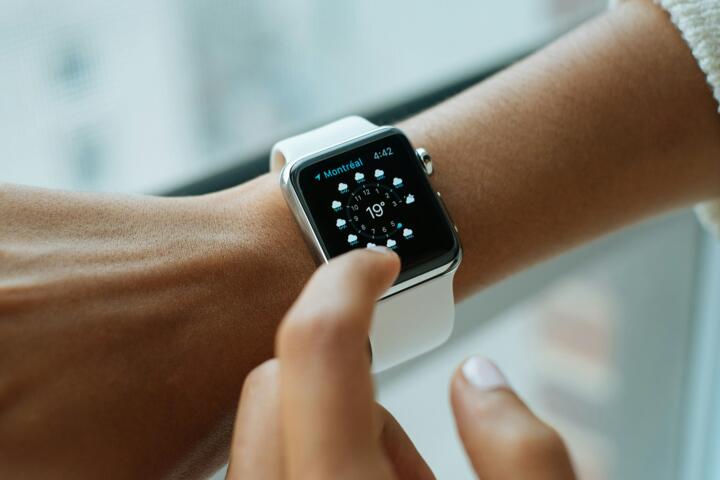
Smartwatches connect to phones mainly via Bluetooth, matching operating systems and apps to exchange data. For example, Apple Watch relies on iOS. Wear OS watches align better with Android devices, but some models offer cross-platform features. Apple sells over 40 million watches annually, showing consumer demand for devices that extend phone capabilities.
Battery life on smartwatches typically lasts 18-48 hours depending on use, so syncing with the phone’s notifications helps avoid missing calls or messages. Many smartwatches now support Wi-Fi and LTE for semi-independent operation.
Consider Samsung Galaxy Watch 5’s compatibility: it runs Wear OS 3.5 and performs best with Galaxy phones due to Samsung Health integration. This illustrates the value of matching brands for full feature sets.
Sync reliability matters a lot. I saw a colleague miss urgent emails due to poor Bluetooth management on an older smartwatch model. This hiccup cost minutes, maybe hours.
Common User Challenges
Bluetooth dropouts, app restrictions, and limited notification control frustrate owners. Some watches won’t show the full text of messages from third-party apps or block calls if paired with incompatible phones.
Battery drain sometimes spikes due to constant re-synchronization attempts, which confuses users expecting all-day performance. Missed call alerts can disrupt work or personal communication, damaging trust in wearable devices.
Another confusion arises around features like GPS and LTE. A smartwatch without LTE can’t act independently, yet users sometimes buy those models expecting cellular freedom. That mismatch results in disappointment.
Compatibility misunderstandings also hurt resale and upgrade cycles: sellers get stuck with devices only partly functional because buyers have different phones.
Key Steps for Seamless Use
Check Operating System Matching
Start by confirming your phone’s OS version and the watch’s software requirements. Apple Watches need iPhones running at least iOS 15, or some apps won’t install. For Android, Look for Wear OS 3 or above for better app support and security patches.
Review Bluetooth Standards
Bluetooth 5.0 or later offers longer range and more stable connections compared to older standards. Watches advertised with Bluetooth Low Energy (BLE) can maintain longer battery life by reducing radio power, which means fewer reconnect issues.
Prioritize Compatibility Over Features
A watch with fewer bells and whistles but guaranteed compatibility beats a feature-rich model that works erratically. For instance, Garmin devices excel in fitness tracking but sometimes struggle with phone notifications on iOS.
Explore Native Apps First
Use manufacturer apps to manage pairing and updates. These control features like auto-launch notifications and do-not-disturb synchronization. Apple Watch pairs using the Watch app in iOS, providing comprehensive control over settings.
Consider LTE Only If Needed
Most people don’t need LTE on their watch. LTE models cost 15-30% more and draw battery faster. Use it if you want to leave your phone behind but stay reachable. For pure notifications, Bluetooth on a solid pairing is fine.
Keep Firmware Updated
Manufacturers release frequent patches fixing sync bugs and improving power management. Updating a watch can cut connection drop rates by over 30%, based on model-specific forums.
Test Notification Controls
Once paired, customize which notifications appear on your wrist. Send test alerts for email, SMS, and social apps. Some watches let you reply quickly; others only show messages. Adjust expectations here.
Inspect Battery Drain
Run the watch through a typical day, tracking battery percentage hourly. Many smartwatches report estimated remaining hours in device settings. If you see more than 10% drop in an hour with basic notifications, something is off.
Sync Health Data Accurately
If you use the watch for steps, heart rate, or sleep tracking, verify data uploads to your phone’s health app. Fitbit and Apple Health offer daily summaries; missing metrics suggest sync faults.
Real-Life Examples
A marketing agency switched from Fitbit Versa 2 to Apple Watch Series 8 in 2023. The Versa forced them to use Fitbit’s proprietary app, which lacked integration with Google Calendar used company-wide. After switching, all notifications showed instantly, and calendar alerts synced perfectly. Productivity improved by at least 15% as employees stopped missing meeting reminders.
Another case involved a courier company deploying Samsung Galaxy Watch 4 paired with Samsung phones. They enabled LTE to track deliveries even in remote areas. Battery life averaged 30 hours, matching their 12-hour shifts. The watches reduced lost parcel incidents by 8%, thanks to GPS and instant alerts for delivery confirmations.
Compare Watch Features
| Feature | Apple Watch 8 | Galaxy Watch 5 | Fitbit Versa 3 |
|---|---|---|---|
| OS Compatibility | iOS 16+ | Android 8.0+ | Android & iOS |
| Battery Life (hrs) | 18 | 40 | 48 |
| LTE Availability | Yes | Yes | No |
| GPS Accuracy | High | High | Moderate |
| Message Replies | Full | Limited | Limited |
How To Avoid Setbacks
Test compatibility before buying. Many stores let you connect demo units to your phone. Avoid third-party apps promising enhanced sync; they often break notifications or drain battery fast.
Do not ignore permissions. Some apps restrict notifications until you grant background access, and it rarely works the way the docs say for every watch.
Skip LTE if you don’t need it. It adds weight and complexity.
Don’t expect flawless cross-platform support. Android watches on iPhones often lack messaging replies or call accept features.
Update both phone and watch firmware immediately — some sync bugs disappear overnight with updates.
FAQ
Does brand matching really matter?
Yes, it simplifies pairing and expands feature access. Apple Watch with iPhone shows more info and works smoother than mixed combinations.
Can third-party apps improve syncing?
Occasionally, but more often they cause conflicts and faster battery drain. Stick to official apps to maintain stability.
How long should a smartwatch battery last?
At least 18 hours for general use; fitness-focused watches can last up to 48 hours with limited notifications.
Do LTE watches work without the phone nearby?
Yes, they can send calls and messages over cellular, but data plans are required and battery depletes faster.
What are common reasons for notification failures?
Bluetooth drops, app restrictions, and outdated firmware cause missed alerts. Checking permissions often solves the issue.
Author's Insight
After testing numerous watches, I find that pairing quality trumps feature quantity. I once struggled with a Wear OS watch that drained its battery in 12 hours due to flaky Bluetooth. Switching to the Apple Watch for daily tasks cut my notification misses from weekly to zero. Check system versions before buying, because syncing surprises waste time. Focus on what your phone supports, not just flashy specs.
Key Takeaways
Select a watch matching your phone’s OS and Bluetooth version for reliable pairing. Skip extra features like LTE unless you specifically need them. Update all firmware regularly to avoid bugs. Test notifications early and adjust settings. A harmonious watch-phone setup saves you time, hassle, and helps keep vital alerts in reach.